

Research methods and early findings
We’ve known for decades that what we eat can help prevent, manage, and sometimes even reverse common health problems like heart disease, type 2 diabetes, and obesity. Andrews’ research focuses on one approach in particular: eating mostly whole, plant-based foods. While this approach can improve health, this knowledge often doesn’t make it into the doctor’s office; most patients leave their appointments without ever talking about food. Andrews’ research looks for practical ways to change that.
In her most recent study, Andrews and colleagues from other institutions surveyed 248 patients as they left their medical appointments. All of the patients had been diagnosed with high blood pressure, prediabetes or diabetes, or obesity. The team asked whether nutrition came up during the visit, what diet advice (if any) patients received, and whether they’d be interested in learning more or be open to trying a plant-based diet.
Three findings stood out:
Research impact
Heart disease is the leading cause of death in Kentucky, and families across the state carry the health and financial costs of heart disease, diabetes, and related conditions. Many of these conditions are closely tied to what we eat and how we live. Andrews’ goal is to help healthcare providers make nutrition a regular part of patient care. That could mean healthier patients, stronger families and communities, and lower healthcare costs.
Implications for practice
Many of Andrews’ students at Eastern Kentucky University are preparing for careers in nursing, dietetics, and other healthcare fields. This semester, she created an assignment called “Heart Health in Real Life” for her Essentials of Nutrition course. Students interviewed someone affected by heart disease and connected that person’s story to what they were learning in class. Many students chose to interview family members, which made the lessons personal. One student talked with an uncle who had survived a major heart attack. The conversation helped the student understand how diet and heart disease are linked, feel more empathy for patients, and think about their own health habits. Another student came to understand how their grandfather’s type 2 diabetes was connected to the heart attack that took his life.
Experiences like these show why future nurses, dietitians, and doctors need strong nutrition training, and there’s a growing national push to add more of it to medical education. By linking her research, her teaching, and real-world healthcare, Andrews is preparing students who see good nutrition as a key part of keeping Kentucky families healthy.
Healthy eating isn’t always taught in elementary, middle, and high schools, which leaves a lot of room to grow. Schools can make nutrition hands-on and easy to understand. Teachers can partner with dietitians and other nutrition experts on activities where students:
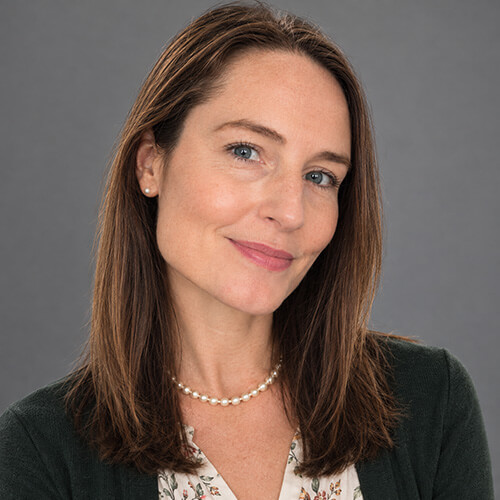
Reya Andrews, Assistant Professor